| Please join us in celebrating the service of our 911 operators and radio communications personnel during National Public Service Telecommunicators Week, April 13-18, 2026.
When disaster strikes and emergencies occur (as they will) the first link in the response chain occurs when a citizen punches 911 on the phone. The voice that answers is the tip of the system that must obtain the necessary data to send the proper response and relay all vital information that will affect the outcome. But in addition to obtaining "just the facts" that voice is also the sound of calm reassurance that help is indeed on the way and frequently provides suggestions as to what to do until it arrives.
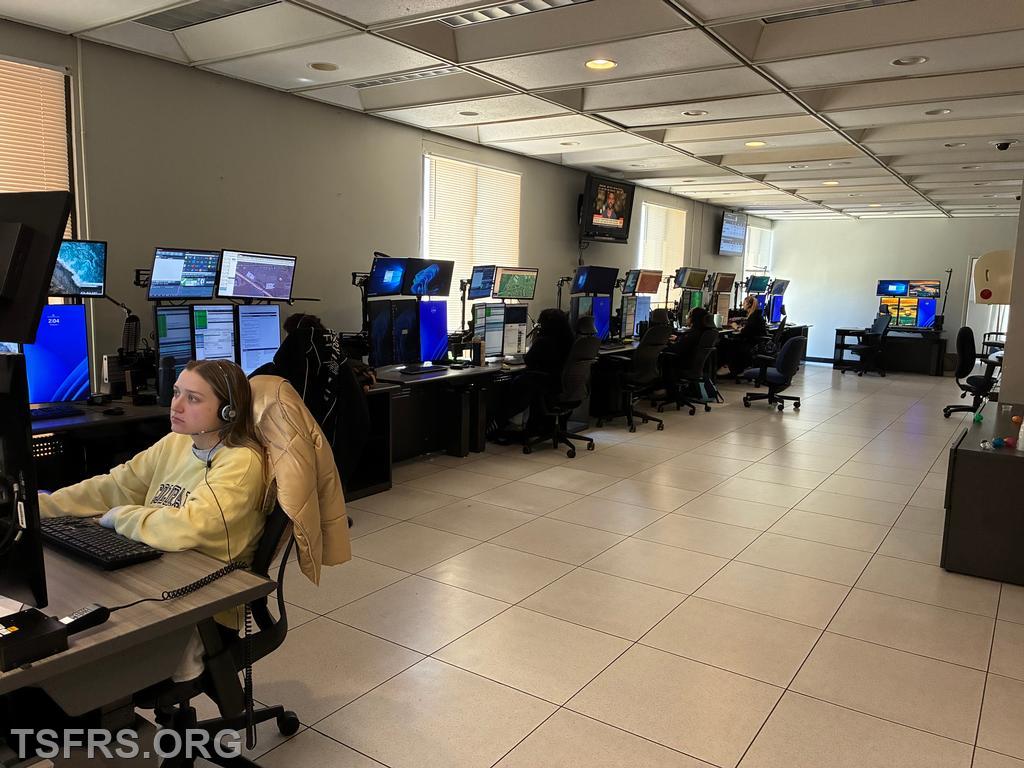
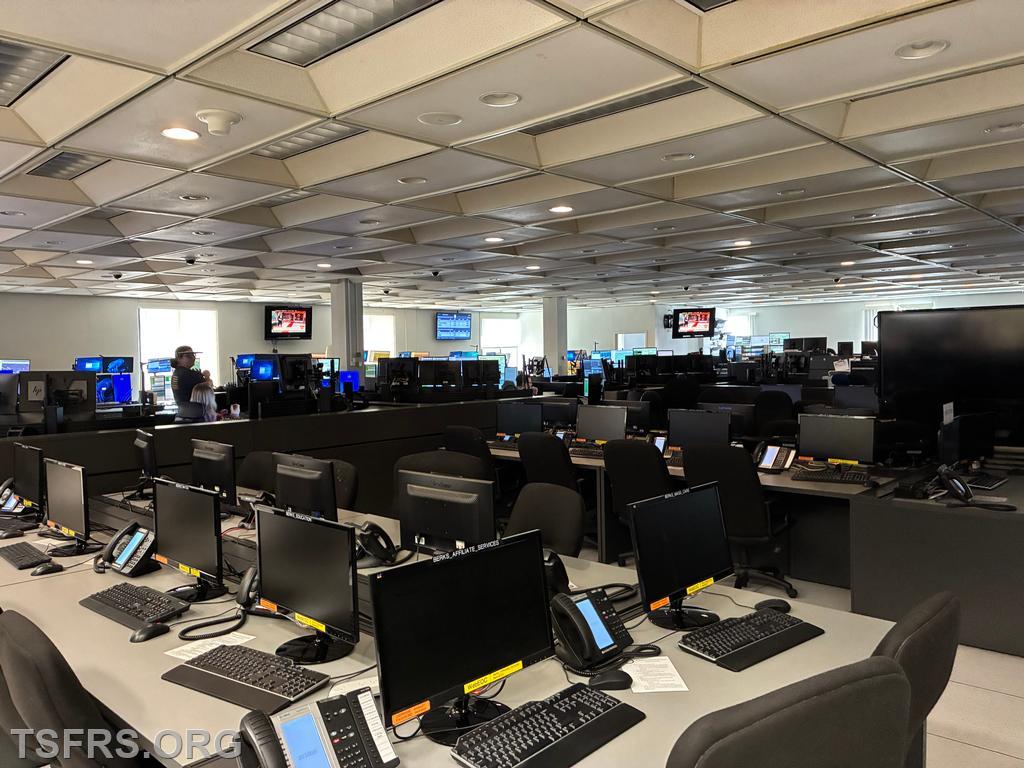
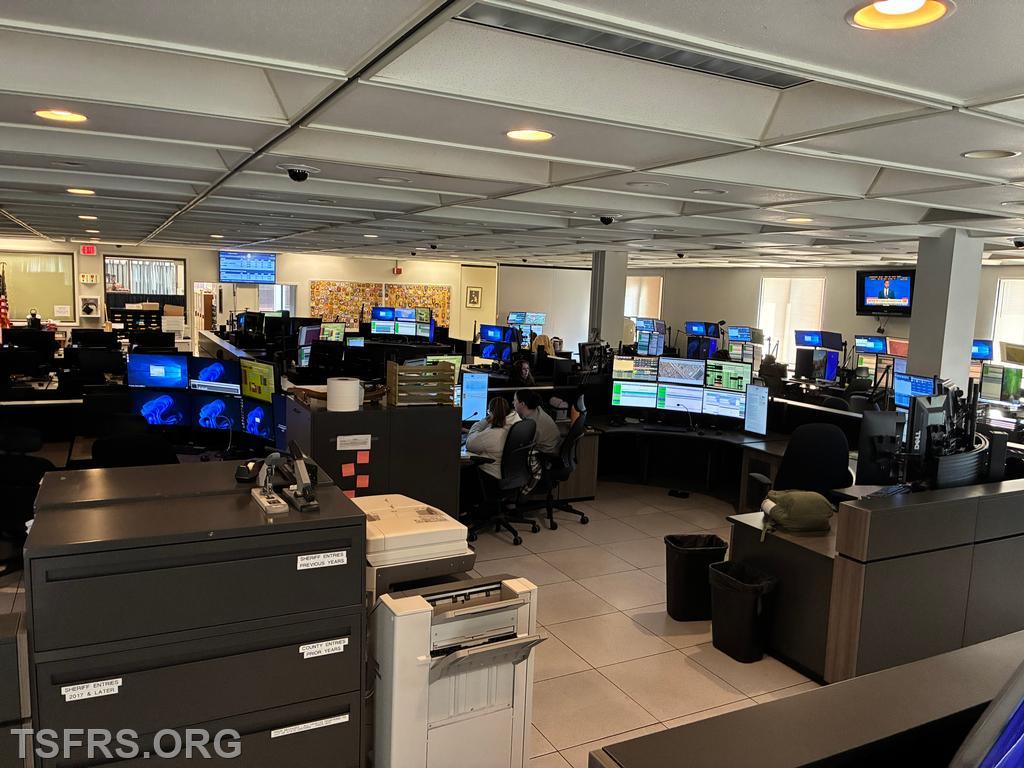
In Berks County, this service is provided by the County Department of Emergency Services whose 911 Communications Branch is responsible for answering emergency and non-emergency calls for help and subsequently dispatching first responders and other resources to assist the caller. Berks 911 is staffed 24 hours a day with a minimum of 9 telecommunicators plus a supervisor overnight, with a minimum of 11-12 telecommunicators and three or four supervisors during the busier daytime hours. This staffing is augmented during times of severe weather or special events. The center serves about 39 law enforcement, 52 fire and 15 EMS agencies and answers approximately 167,000 emergency calls every year, including over 29,000 fire and 67,000 EMS incidents.
This process begins with a 911 call that gets answered by a trained telecommunicator, who obtains the basic information as soon as possible. This includes the nature and location of the emergency. When the caller is not proficient in English or is hearing impaired, the Center has resources available. That initial information is quickly transferred to a dispatcher, many times even while the call is still connected. Based on the location and nature, the system provides a computer-generated recommendation for what resources to send. The radio dispatch operator then transmits the information by tone to the appropriate agency, or in the case of police, directly to the officer on the street.
All responding units then acknowledge the response by radio, at which point the radio operator becomes the primary link between the responder and the outside world for updated information or requests from the field such as requests for additional units, notification of utilities, notifying other agencies, and so forth. Radio operators also provide a vital second set of ears for the incident commanders to ensure that vital messages are transmitted and understood.
This is the vital first link in the response chain that helps us help you! THANK YOU COMMUNICATIONS STAFF!! |