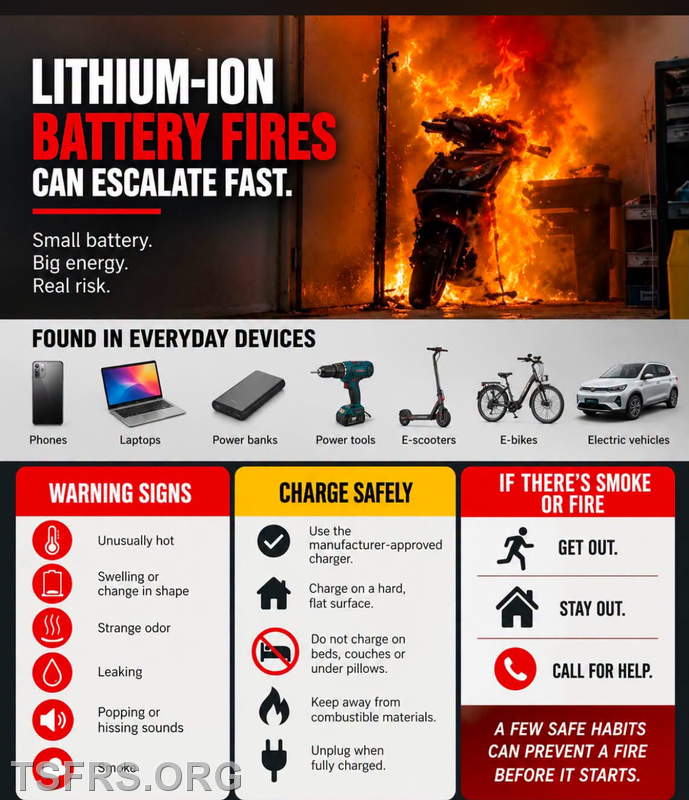
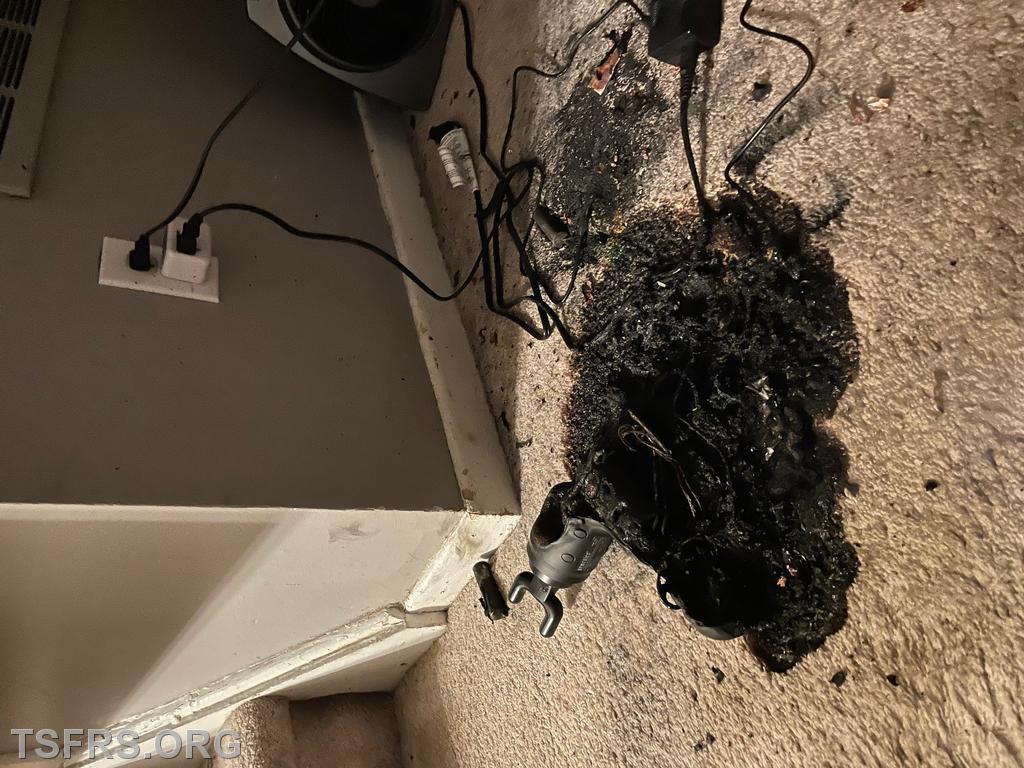
| Lithium-Ion Batteries are an emerging technology that provides convenience and power in ways unheard of a few years ago. They can store electrical energy in quantities that allow them to power devices as large as trucks and as small as vape pens. However, such convenience comes with a price. As more and more of these products hit the marketplace, we are finding that there are inherent fire, explosion and toxic risks that go with them. The larger the battery, the more extensive the threat, but even a small battery can lead to a major conflagration. A small flashlight battery, if not disposed of properly can set an entire trash truck or barge on fire. Electrical battery fires in automobiles have been associated with the ultimate sinking of car transport ships while at sea. Imagine what one can do to your living room....
What makes them so dangerous? The chemistry behind battery construction involves the wrapping of two layers of material that pass electrons between them. These are separated by a thin film that keeps them from contacting each other and therefore limits the exchange of energy. These wrappings are contained in what's known as a cell. Multiple cells are then joined to create a battery. When everything is intact, no problem, as is the case with most batteries and battery systems.
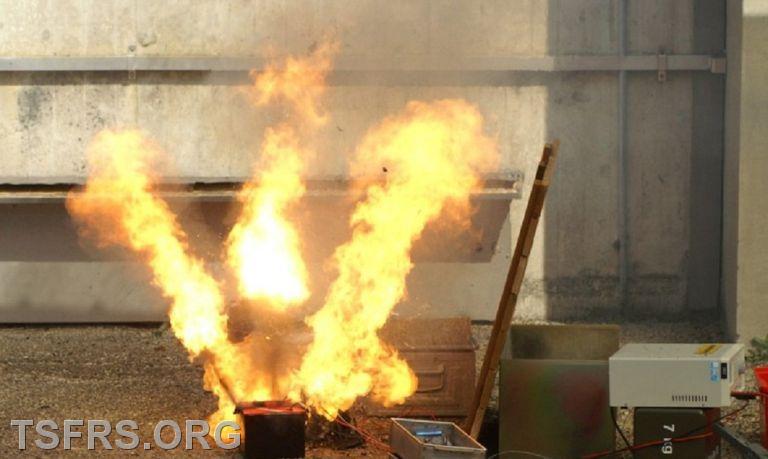
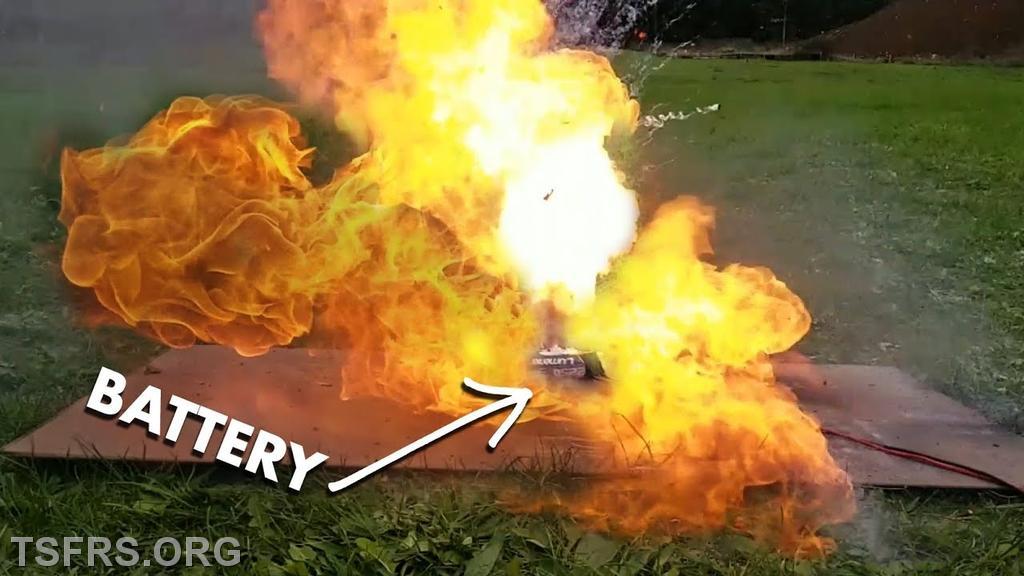
However, should the layers in a cell be allowed to contact each other in an uncontrolled fashion, such as occurs during physical damage or internal failure, the energy release becomes unmanageable and violent. This is known as thermal runaway, and once runaway starts, the reaction is almost impossible to stop. And once that happens, it usually goes until the entire battery is consumed. While this is happening, the reaction releases vast amounts of toxic and flammable gases such as hydrogen, hydrogen fluoride and carbon monoxide. Further, the heat of the reaction causes the cells to get hotter and hotter. At a point, the gases burst out of the battery and eventually ignite explosively causing blast damage and extreme fire behavior. Generally, everything around the battery ignites and the fire is out of control instantly. Conventional fire extinguishers are essentially useless against these fires.
Watch our site for more info as we close in on Fire Prevention Week. |